
Bord & Pillar · About
The name is the method
Bord and pillar is how the pits under this town worked their coal. It's also, word for word, how an honest trade should work your garage door.
1902, and a town drawn before it was built
Kurri Kurri was proclaimed in October 1902, laid out in full on a surveyor's board before a single block was cleared: the first town in Australia planned whole, streets, reserves and all, to serve the Stanford Merthyr and Pelaw Main collieries. The pits worked their coal by the method called bord and pillar: cut the bords, the coal that goes, and leave the pillars, the coal that stays to hold the roof up.
Four words, and a whole ethic inside them. Know what goes. Know what stays. Never touch what's holding the roof. Get any of those wrong underground and people didn't come home; the method bred a kind of judgement that doesn't cut corners and doesn't dress guesses up as verdicts.
That's the inheritance this trade borrows, with respect and without costume. No pit-wheel logos, no coal-dust nostalgia. Just the method, applied to the heaviest moving thing on your house. And yes, "bord" is spelt right: it's the miner's word for the roadway cut into the seam.
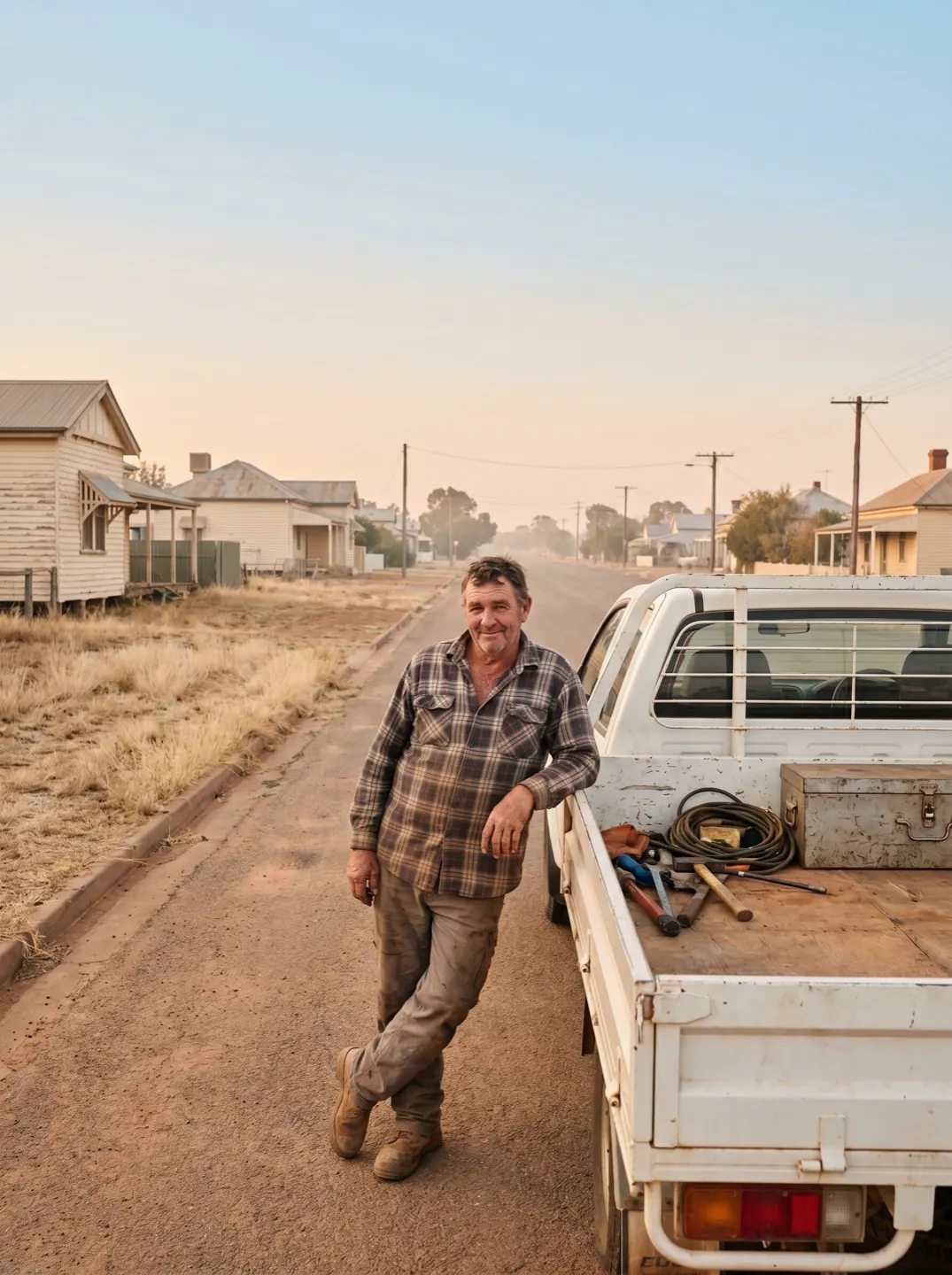
The method, applied to doors
Assess. Itemise. Call it.
- The reading
- Every job starts as an assessment at the door: frame and tracks first, counterbalance second, running gear third, opener last. In that order, because everything hangs off the bones.
- The sheet
- The verdict comes written, line by line: what's sound, what's spent, what it needs, what it costs. Keep beside replace, stated plainly, before any work.
- The call
- Yours. You decide with the sheet in your hand, and "leave it for now" is a legitimate answer for anything that isn't a safety fault.
What we don't do
- Quote a door we haven't seen. A price without a reading is a guess wearing a suit.
- Promise response times we can't keep. An offer to book is honest; "we'll be there in an hour" from a website is not.
- Wave brand badges. We claim no dealer or agent status with any maker, and we read the door in front of us, not the sticker on it.
- Upsell a keepable door. In this town of all towns, the trade that says "it's worth keeping" is the one that gets called back.
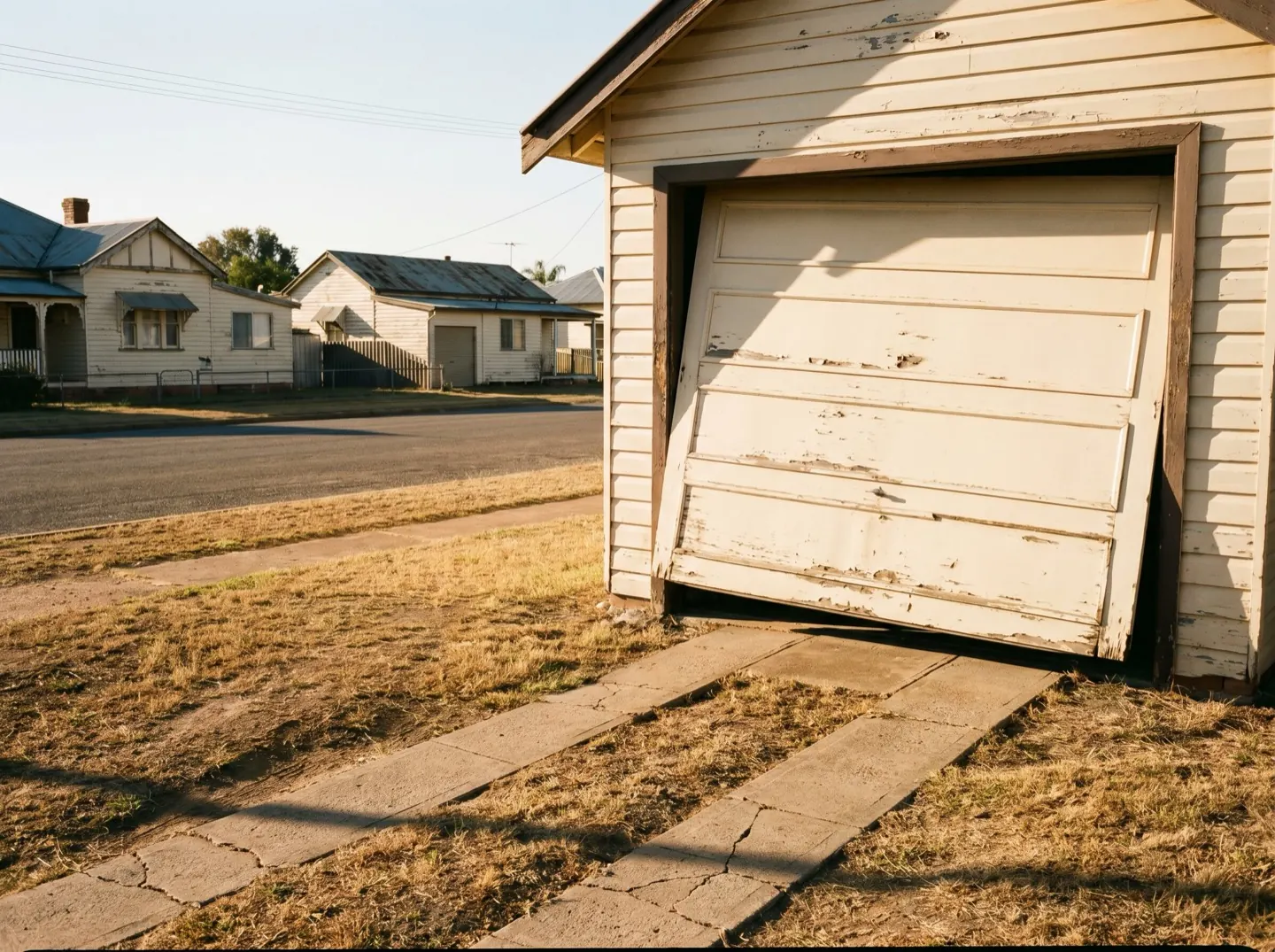
The town
A keeping town
Kurri paints its history on its walls, dozens of murals of the pits and the people, and once a year the 1902 streets fill with restored hot rods for the Nostalgia Festival. Behind the roller doors of these blocks live project cars, slow rebuilds, utes that must start before dawn. The smelter that anchored the town for forty years closed, and a power station is rising on the same ground: this is a place that works through change rather than being precious about it.
A town like that can smell an upsell three streets away. Which suits us, because the straight call is the only product we sell that matters: repairs, openers, new doors and services are just what it gets written on.
We keep the round tight on purpose: Kurri Kurri and the villages, out to the growth ring, and down the coal road to Cessnock. The whole round, drawn as a plan.
One more straight answer
Why the form, and no phone yet
We're setting up locally, and a phone line answered badly is worse than no phone line. Until the phones are staffed the way an assessment deserves, enquiries come through the form: you say what the door's doing and leave a number, and the call comes to you. Your details go nowhere except to the people who need them to service the enquiry.